Top Signs Your Garage Door Needs Immediate Repair
GSR
May 2, 2025
Your garage door isn’t just an entryway; it plays a vital role in securing your home, protecting your family, and maintaining your property’s curb appeal. Recognising when your garage door is showing signs of wear or damage can prevent costly repairs and safeguard your home from potential hazards. Here we discuss crucial garage door repair signs, including emergency garage door repair situations, broken garage door symptoms, and basic garage door troubleshooting tips.
Need A Service?
Request A Call Back
1. Unusual Noises
One of the earliest signs indicating a need for immediate attention is unusual noise from your garage door. Grinding, scraping, squeaking, or banging noises are not typical and often indicate issues with the hardware or components such as rollers, hinges, springs, or cables.
What to do:
Listen carefully to determine the type of sound.
Schedule a garage door technician to inspect and fix the problem.
2. Slow Response Time
Does your garage door hesitate or move slowly when opening or closing? Delayed response times suggest a malfunctioning opener or issues with springs or rollers. Not only is this inconvenient, but it could lead to the door getting stuck, creating safety and security issues.
What to do:
Check remote control batteries first.
Call for professional garage door troubleshooting if batteries aren’t the issue.
3. Door is Off Its Tracks
A garage door off its tracks poses a significant safety hazard. This condition occurs when the door rollers become misaligned or when the tracks themselves become damaged.
What to do:
Do not attempt to manually adjust or repair the tracks yourself, as this can be dangerous.
Contact an emergency garage door repair service immediately to prevent further damage or injury.
4. Sagging Garage Door Sections
Sagging sections of your garage door indicate structural issues. Over time, wooden garage doors, especially, can sag due to rot or moisture. Metal doors can sag due to physical damage or weakening joints.
What to do:
Schedule an immediate inspection by a garage door professional to identify structural integrity issues.
Timely repair or replacement can prevent further deterioration.
5. Increased Energy Bills
A sudden increase in your energy bills could be connected to a poorly functioning garage door. Garage doors provide insulation and protection against outside elements. If your door is compromised, your home may lose heat or cool air rapidly.
What to do:
Check the sealing around your garage door for visible damage or gaps.
Schedule repairs or consider upgrading to an insulated door.
6. Broken or Damaged Springs
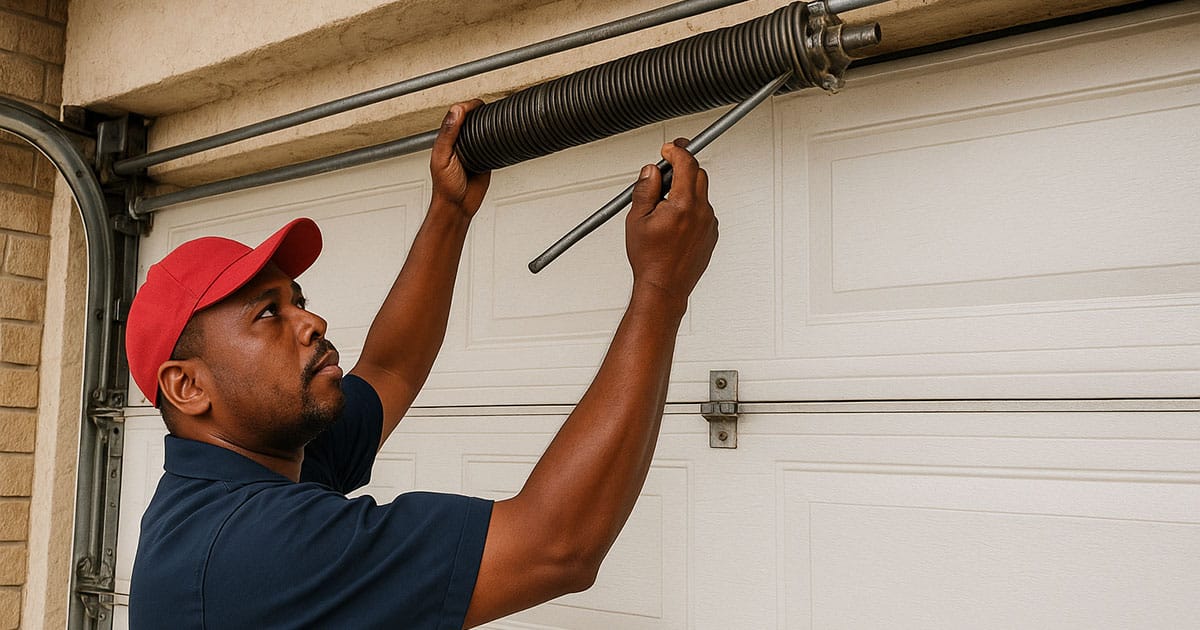
Garage door springs are critical to balancing your door’s weight. Broken or damaged springs are common yet hazardous and can result in your door failing to open or suddenly dropping.
Broken garage door symptoms include:
The door feels unusually heavy.
The door opens only a few inches before stopping.
You hear a loud snapping noise indicating a broken spring.
What to do:
Do not attempt DIY repairs; broken springs are under high tension and can cause injury.
Immediately contact a professional garage door technician for emergency repairs.
7. Door Doesn’t Fully Close or Open
When your garage door doesn’t completely close or open, it’s a clear sign of malfunction. This issue can be due to faulty sensors, misaligned tracks, or damaged rollers.
What to do:
Inspect sensors to ensure they are aligned correctly and clean from debris.
If issues persist, professional troubleshooting is necessary.
8. Frequent Breakdowns
If your garage door frequently malfunctions, requiring consistent troubleshooting and minor fixes, this may indicate deeper underlying issues. Regular breakdowns can suggest worn-out parts, compromised systems, or outdated equipment.
What to do:
Consider a comprehensive inspection and possible upgrade.
Investing in newer, more reliable technology could prevent recurring issues.
9. Worn-out Cables
Garage door cables bear the weight of the door and undergo considerable strain. Over time, cables can fray, wear out, or snap, causing your garage door to malfunction or become stuck.
Signs of cable issues include:
Visible fraying or damage on cables.
Uneven door operation.
Sudden jolts or jerks when the door moves.
What to do:
Stop using the door immediately.
Seek emergency garage door repair from professionals to replace worn-out cables safely.
10. Visible Damage
Physical damage from impacts, storms, or vandalism can severely impair garage door function and appearance. Even minor dents or cracks can escalate into more significant issues over time.
What to do:
Assess visible damages regularly, especially after severe weather.
Contact a repair specialist promptly to restore your garage door’s functionality and aesthetics.
Conclusion
Timely identification and action are critical when it comes to garage door repair signs. Issues such as unusual noises, slow response times, off-track doors, sagging sections, broken springs, frequent breakdowns, cable damage, and visible damages should not be overlooked. Promptly addressing these symptoms can help homeowners avoid significant expenses, potential injury, and inconvenience.
Always prioritize professional evaluation and repair to ensure your garage door operates safely, smoothly, and reliably. If you’re experiencing any of these garage door repair signs, reach out to our trusted experts for immediate and reliable emergency garage door repair.
Need A Service?
Request A Call Back
Filter By Categories
Recent Post
Roller Shutter Door Maintenance
Need A Service?
Keep your garage door rolling smoothly. Schedule your maintenance check-up today!
- 060 995 8843